20 Metal Background Textures
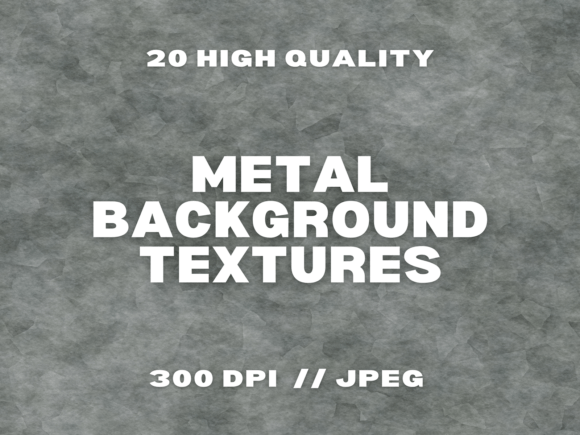
If you're looking to elevate the visual appeal of your designs, 20 Metal Background Textures could be the perfect addition to your creative toolkit. These high-resolution textures offer a range of industrial, modern, and elegant finishes that can transform any project. Whether you're working on digital or print materials, these textures provide a professional touch that can make your work stand out.
What Are 20 Metal Background Textures?
20 Metal Background Textures is a collection of high-quality JPG files designed to add depth and character to your design projects. Each texture is crafted with attention to detail, ensuring it delivers a realistic metal effect. From brushed steel to grungy metal, this set offers a variety of options to suit different design styles and purposes.
These textures are ideal for a wide range of applications, including website backgrounds, social media graphics, print materials, and branding projects. Their versatility makes them a valuable resource for designers, marketers, and small business owners who want to enhance their visual content without investing in complex design tools.
Common Mistakes When Using Metal Textures
While 20 Metal Background Textures can be incredibly useful, there are some common mistakes that users might make when incorporating them into their work. One of the most frequent errors is not considering the resolution and dimensions of the textures. If you're using a texture that's too low resolution, it may appear pixelated or blurry, especially when printed at a larger size.
Another mistake is applying the texture without adjusting its opacity or blending mode. A texture that's too intense can overwhelm the design and distract from the main elements. Instead, experiment with different opacity levels to find the right balance between texture and clarity.
Choosing the Right Texture for Your Project
Not all metal textures are created equal, and choosing the wrong one can affect the overall look and feel of your design. For example, a heavily corroded metal texture might not be suitable for a sleek, modern website background. On the other hand, a brushed steel texture could be perfect for an industrial-themed brochure or logo.
It's important to consider the context of your project before selecting a texture. Ask yourself: What mood do I want to convey? What style aligns with my brand or message? By answering these questions, you can make more informed decisions about which textures will best serve your needs.
Understanding File Formats and Usability
One often-overlooked detail is the file format of the textures. 20 Metal Background Textures comes in JPG format, which is widely supported by most graphic design software. However, if you're working with transparent backgrounds or need more flexibility, you might want to look for PNG versions of similar textures.
Additionally, some users may not realize that these textures are available for commercial use. This means you can incorporate them into client projects or sell your designs without worrying about licensing issues. Always check the terms of use to ensure you're compliant with any restrictions.
Practical Tips for Using Metal Textures
To get the most out of 20 Metal Background Textures, start by experimenting with different applications. Try overlaying a texture on a solid color background to see how it interacts with other elements. You can also use it as a subtle pattern in the background of a webpage or as a highlight in a print design.
Another helpful tip is to adjust the texture’s scale and position. Sometimes, a texture that looks great in a small preview may not work well when scaled up. Use your design software’s tools to fine-tune the texture’s placement and size for optimal results.
Realistic Examples and Better Approaches
Imagine you're designing a website for a tech startup. Instead of using a plain white background, you could apply a brushed metal texture to create a modern, professional look. By adjusting the texture's opacity, you can maintain readability while adding a unique visual element.
For a print project like a business card, a metallic texture can give your design a luxurious feel. However, make sure to test the texture on a sample print to ensure it translates well to physical media. Some textures may appear differently when printed due to ink absorption and paper quality.
What to Check Before Making a Decision
Before purchasing or downloading 20 Metal Background Textures, take the time to review the product description carefully. Look for details such as file format, resolution, and dimensions to ensure they meet your project requirements. Also, check if the textures are royalty-free or if there are any usage restrictions.
Consider the source of the textures as well. Reputable providers often offer better support, clearer licensing terms, and higher-quality files. Don’t hesitate to reach out to customer support if you have questions about the product.
Conclusion
20 Metal Background Textures can be a powerful tool for enhancing your design work, but it's important to use them thoughtfully. By avoiding common mistakes, understanding the file format, and experimenting with different applications, you can unlock the full potential of these textures. Whether you're a beginner or a seasoned designer, taking the time to evaluate and apply these textures correctly can lead to more visually appealing and professional results.